

Green Building and Energy Efficient Home Design
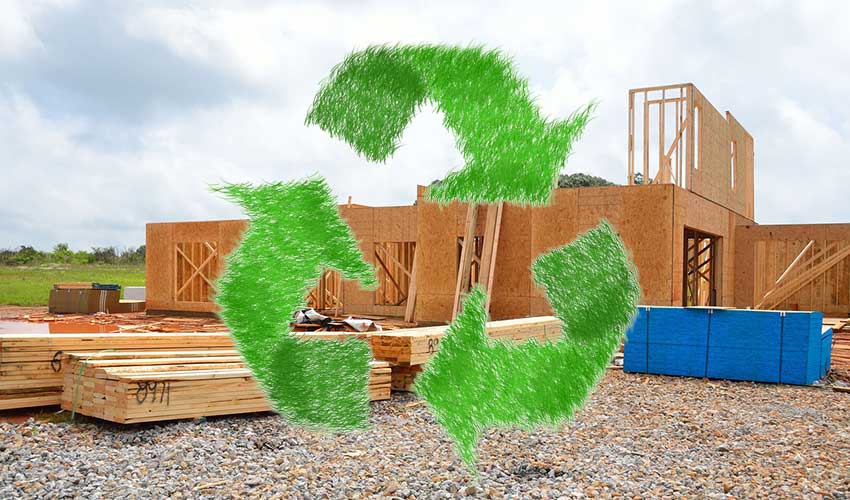
The term Green Building, along with Sustainable Design, are catch phrases for energy efficiency, environmentally responsible home design and construction. Solar Home Designs, either passive solar or active solar, the use of Green Building Materials, Energy Efficient Building Materials, Reclaimed Building Materials, Recycled Building Materials, and any use of Renewable Energy sources would all qualify as building “green.”
In the 1970’s we called it ecological design. Today, we call it Green Building, but the principles remain the same. Some of the technology has improved, and the motivation and popularity has strengthened, but the goal of designing and building houses that consume less energy to heat and cool, and demand fewer natural resources to build, particularly natural resources that cannot be replenished, is still what green building is all about.
Green Building Categories
Building green can be categorized four ways, Energy Efficient Home Design, use of Energy Efficient Building Materials, Sustainable Design, and utilization of Renewable Energy Resources. Some aspects of green building will fall in more than one of these categories. Some green home designs will incorporate materials and methods from one or two categories and none from others. But all green building will include features or strategies from at least one of these basic categories.
Most of what you hear and read about concerning green building and sustainable design involves construction materials and energy sources. But in my opinion, all green home building should begin with a good Energy Efficient Home Design. There are many important considerations in designing a house that affect its energy efficiency. What is the building’s solar orientation? Is the house laid out in a way that shelters itself from the winter wind? Does it promote cooling summer breezes? Is its orientation on the site such that it allows it to maximize natural daylight in the house without overheating the house?
An Energy Efficient Home Design Should Produce a House that, by the Nature of Its Design, tends to Stay Warmer in Winter and Cooler in Summer without Mechanical Assistance.
Simply placing a box on an open piece of land with no regard for the sun and wind is a foolish way to design and build, yet that is the predominant way houses are designed and built. Most are “stock” plans that get plopped on the site with no regard for sun angles, wind directions, or weather patterns. years ago, before the advent of mechanical heating and cooling, this careless way of designing a house would have been seen as being foolhardy. No amount of insulation or the most sophisticated heating and air conditioning system can compensate for an improperly positioned house. Yet, much of what you read about green building energy-efficient design says little about the intrinsic energy-efficient characteristics of the architectural design of the building.
Green Building Strategies
An Energy Efficient Home Design Can Be Enhanced with Natural and Low Energy Consuming Mechanical Systems.
Metal roofs with a non-mechanical ventilating space, properly sized roof overhangs that shade exterior walls from the hot sun, and even fan induced Attic Ventilation, can greatly reduce air-conditioning needs by keeping your roof, walls, and attic cool without using much electricity.
Passive Solar Design Does Not Automatically Make your House Cost More to Build.
Of course, Solar Home Designs have the primary objective of being energy-efficient while also reducing your dependence on the power grid and fossil fuels. Solar is the ultimate Renewable Energy source. But when most people think of solar home design, they think of an array of photovoltaic solar panels on the roof to convert sunlight into electricity. That is called “Active Solar Design.” I would like people to first think in terms of “Passive Solar Design” first.
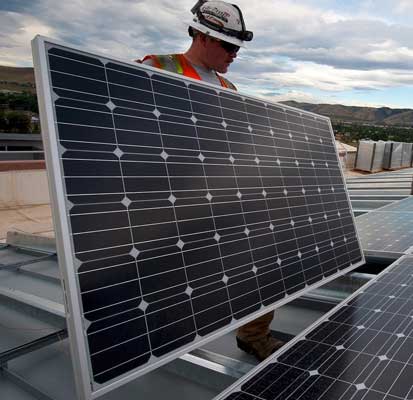
Passive Solar Design is a house that utilizes properly placed windows, roof overhangs, orientation, ventilation, and uses the solar energy the house “collects” to heat and cool the house naturally. After passive strategies have been designed in, active solar systems can be utilized to supplement the passive benefits. Employing this passive solar design strategies will significantly reduce the necessary size and cost of a photovoltaic solar panel system. If you home does not require as much electricity to heat it, cool it, and illuminate it as a typical house might require, it won’t need as many expensive solar panels to provide the required electric power as a typical house might require.
Both new and existing houses can benefit from the addition of a sunroom. A sunroom is a major passive solar collector. A good Sunroom Design, with an air distribution system and heat storage strategy, is a great way to get the benefits of passive solar design plus some pleasant year-round additional living space.
Green Building Materials
The second step in building green is the use of Energy Efficient Building Materials. High performance insulation, radiant heat-reflective films, moisture barriers, and Energy-Efficient Windows and Doors not only improve the energy performance of your home, they can improve your home’s Indoor Air Quality and day-to-day comfort.
One way to know if you’re buying energy-efficient appliances and equipment is to look for the Energy Star logo. Energy Star is a home evaluation system used to gauge the efficiency of a home appliances and materials. Following the Energy Star guidelines is a great way to make your home more energy efficient.
Are So-called “Sustainable” Products Truly Sustainable?
The other term used often with green building is “sustainable.” In fact, it is overused and casually thrown about as a marketing catch word to sell all sorts of products. So be aware of “greenwashing.” The word “greenwashing” is derived from the word whitewashing and refers to unfounded or untrue claims about a product’s energy efficiency or the environmental responsibility of the source materials for manufacturing methods. To avoid falling victim to greenwashing, simply check the facts and ask for legitimate testing data to back up the company’s claims. You might be surprised how often there is not solid evidence to support “sustainable” and “green” claims.
True Sustainable Materials Are Part of Green Building
Sustainable Design is the design of a house with materials and components made from resources that can be replenished at a rate that matches or exceeds the rate of consumption. Bamboo is considered sustainable because it re-grows very fast and at present, it grows faster than it is being cut and used. But what about more traditional building products? Here’s where you have to look deeper to understand the whole story. For instance, wood that comes from managed forests and plantations and is only cut at a renewable rate is in fact sustainable. But the knee-jerk reaction to the use of wood is often that mistaken assumption that wood is being depleted and forests are being levelled. This is certainly not the case when it is grown and managed properly.
Green Building materials are made from resources that are so vast and plentiful they can never be exhausted, even though they do not replenish, or from materials that replenish more rapidly than they are being consumed.
Even though clay does not replenish, there is so much of it in the earth, we can never use up all that there is. Because of that, bricks and other clay products can be considered to be sustainable.
“But wait,” you might be saying to yourself, “Bricks require a lot of energy to produce.” Yes, they do. But because bricks last such a long, long time, they are energy-efficient over their useful life. The useful life of a product is an important factor in determining if a product is sustainable and green. Products that must be replaced frequently consume energy and labor to manufacture and install. That would be a mark against them when considering their sustainability.
Environmentally Responsible Disposal of Materials
Another factor is disposal. When a product is discarded, does it go to the landfill, or can it be recycled efficiently? Materials like brick and concrete not only have long useful lives, they can be recycled into new products. And even if bricks and concrete do eventually end up in the landfill, unpainted bricks and concrete are inert and do not pollute the soil and waterways. That makes brick and concrete environmentally friendly products, in my opinion.
Use Recycled Materials in Green Building
Using Recycled Building Materials is a major factor in any Sustainable Design strategy. There are more and more products available that are made from reprocessed building materials that would have been headed for the landfill. This means that fewer, new resources need to be used and it also means less waste needs to be disposed of. Look for fiberglass insulation made with recycled glass from bottles and other products that tout a high percentage of recycled content. Don’t waste your money on products that claim recycled content, but actually only contain a minor percentage of recycled content.
One other sustainable strategy that can make your green building project more energy-efficient is the use of Reclaimed Building Materials. These would be materials that are reused intact and require little or no processing for reuse. Reclaimed wood floors, used bricks, and reclaimed roof slate are good examples of building materials that are given an extended life by being used in a new building. Of course, every piece of Reclaimed Building Material you use will eliminate the need to produce a piece of new material, thus saving resources. But beyond the environmental benefits, Reclaimed Building Materials and salvaged building parts can be wonderful treasures in your new home. They add warmth, character, and an important link with the past.
Renewable Energy
The fourth step in green building is the use of Renewable Energy. Photovoltaics, or electricity-producing solar panels, can provide all or part of your electrical needs, depending on your geographical location. Solar water heating and geothermal equipment may still use electricity to run, but at a lower rate than conventional systems. They utilize the Renewable Energy from the sun to reduce power consumption.
Photovoltaic Solar Systems are expensive and it’s hard to make an economic case for them without tax credits to help offset the costs. Personally, I have trouble with the concept that other taxpayers should contribute to the cost of your choices. But even with tax credits, solar panels take a long time for the savings in your electric bill to pay you back for the high initial cost. This is the primary reason I encourage doing all you can with Passive Solar Design before considering Active Solar Systems. If you build the house with the proper orientation, insulation, tightness of construction, and natural daylight, you might not need very much active solar, at all.
Controlling When You Use Electricity Can Be an Environmental Benefit to You and Your Community.
Residential Energy Management Systems can monitor and control the peak demand your home makes for electricity. Many electric companies will reward you for not using as much electricity during peak hours by giving you a lower rate. The reason they do this is by encouraging the reduction of peak demand across the power grid they can reduce the need to build more power generating facilities. With fewer power generating facilities, less fossil fuel is consumed.
A Residential Energy Management System is a computerized control device that tells what equipment in your home can run and what equipment must wait a couple of minutes to start. Using one of these systems you can save up to 30% on your electric bill without doing any other alterations to your home or changing the way you live. Helping reduce the demand across the power grid qualifies as green building, of course. Demand rates for electricity are not available everywhere. You’ll need to check with your power company to see if they offer a demand rate. If they do, then a residential energy management system might be a good choice for you.
LEED. Yes or No?
We’ve mentioned Energy Star as an energy efficiency evaluation system. One other program that is gaining in public awareness is LEED certification. Based on its green building aspects, a building can be certified as bronze, silver, or gold LEED certified. This program was originally aimed at commercial buildings, but now there is also a certification for residential buildings. The certification serves no purpose other than validating the quality of the house in terms of environmental responsibility. There are no discounts on electricity or tax credits. But the satisfaction of knowing that your new home has achieved a level of energy efficiency and environmental responsibility can be gratifying. And it can be beneficial when it comes time to sell your house.
Green Building Requires Attention to All Aspects of the House
Green Building involves many considerations. Some may seem to contradict others. And, of course, there is the cost versus benefit analysis you must perform. Choose wisely and prioritize things so you not only design and build an energy efficient home, you also spend your budget wisely and see a real return on your investment.
I hope this information is helpful to you. You might want to get yourself a copy of my best-seller, Designing Your Perfect House. It is chockfull of valuable tips and advice that will save you many times the cost of the book on your house building or remodeling project. You might also like The Well-Centered Home: Simple Steps to Increase Mindfulness, Self-Awareness, and Happiness Where You Live. It will show you how to make your home a happy place.

[…] a durable option that requires little upkeep. Investing in sustainable materials like recycled building materials can also add an eco-conscious appeal to your […]